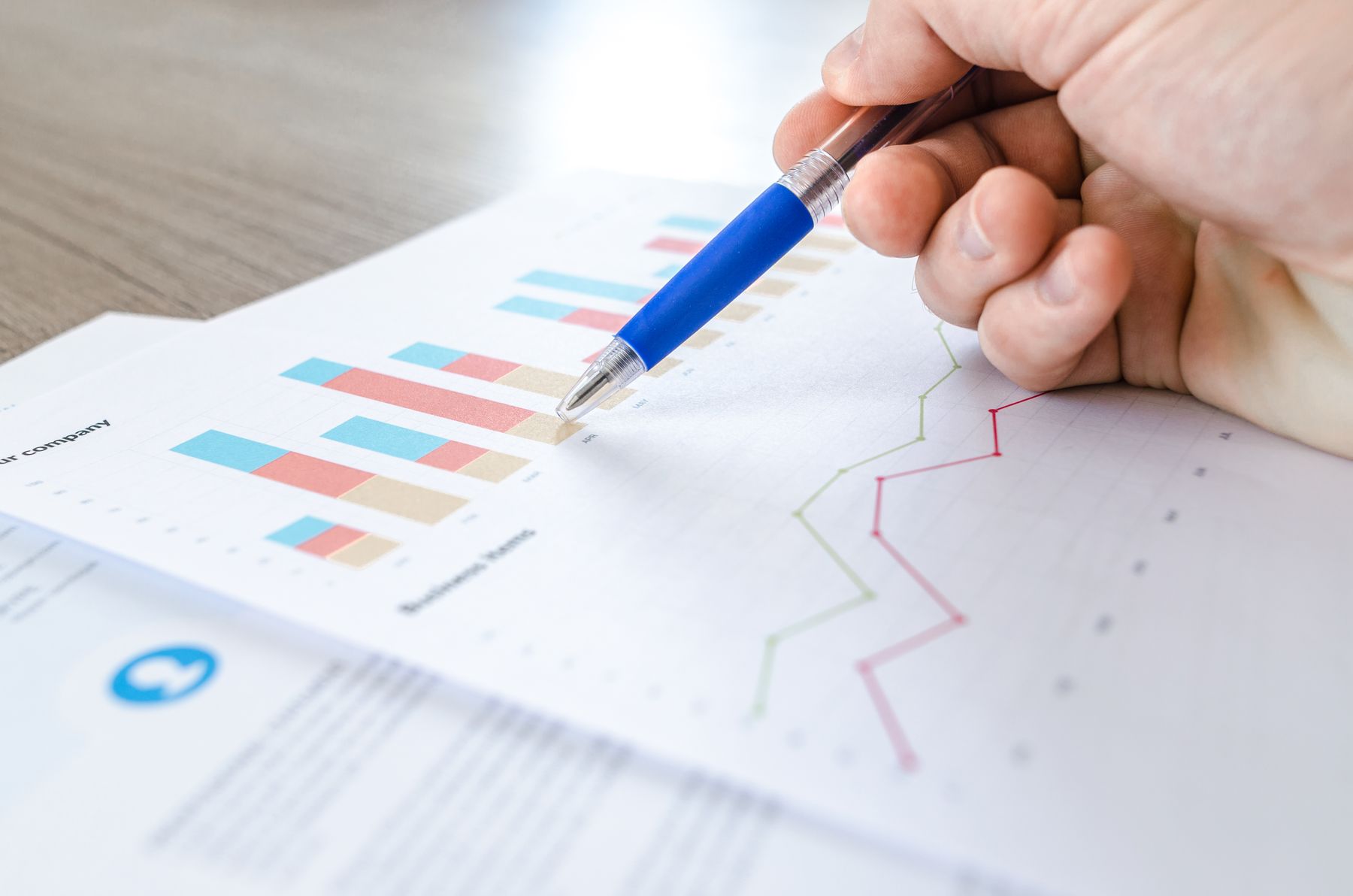
Transformation intelligence gives leaders a clearer way to connect customer signals, operating data, and delivery priorities into decisions teams can act on.
Customer and operational context in one view
Every click, workflow, order, ticket, and conversation tells part of the business story. The challenge is turning those signals into a shared view leaders can trust.
Transformation intelligence brings those signals together so strategy, engineering, and operations teams can see the same reality and move with less friction.
How the data-to-action flow works
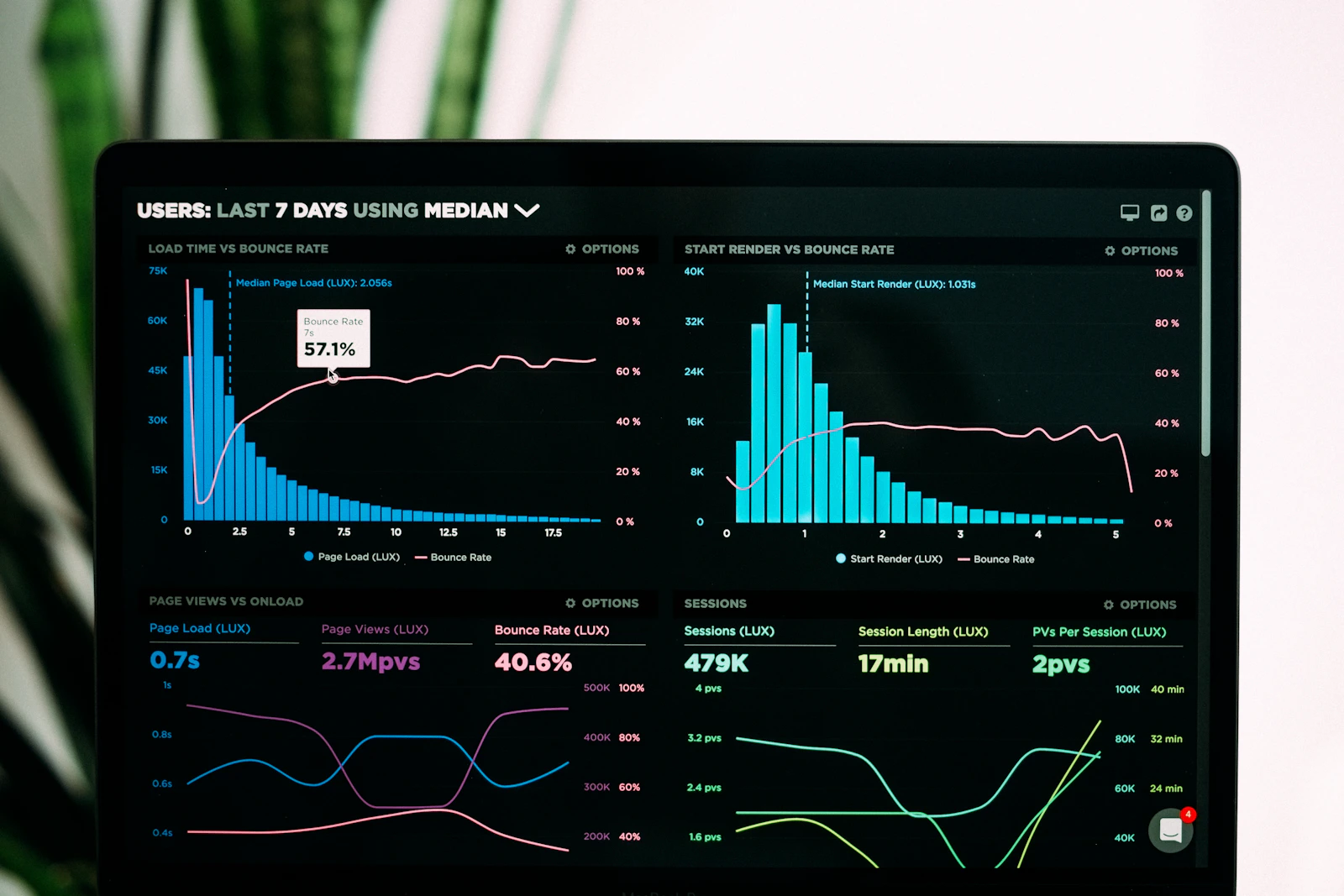
The strongest programs start with focused data collection, clean integration, and practical analysis. The goal is not more dashboards. The goal is better decisions.
Teams need a rhythm for turning insight into backlog priorities, measurable experiments, and operational improvements.
- Collect signals from customer, sales, support, and delivery systems
- Unify the data around clear business outcomes
- Translate patterns into product, process, and service changes
Core capabilities that make insight practical
Useful intelligence systems help teams segment customers, forecast demand, spot risks, and see where delivery slows down. They also keep insight close to the teams responsible for action.
For Wallace Croft clients, the most valuable capability is clarity: knowing which problems deserve investment and which changes will create lasting impact.

Turning intelligence into strategic clarity
The work does not end when a report is produced. Leaders need operating cadences, product roadmaps, and delivery teams that can absorb new information quickly.
Wallace Croft pairs strategy with engineering execution so insight becomes shipped software, better workflows, and measurable business outcomes.

Why businesses need transformation intelligence now
Markets are moving faster than annual planning cycles. Customer expectations shift, operational costs rise, and teams need evidence they can act on before opportunities disappear.
Transformation intelligence helps leaders see where revenue is leaking, where workflows are slowing people down, and where technology can create a measurable advantage.
- Find customer and operational friction earlier
- Make investment decisions with clearer evidence
- Connect leadership priorities to delivery team action

Technologies that power the model
The foundation is usually a mix of customer data platforms, cloud data warehouses, integration layers, analytics tools, AI-assisted pattern detection, and product telemetry.
The important part is not the tool stack alone. It is the way those tools are arranged around business questions, user journeys, and measurable outcomes.
Preparing data without slowing the business
Teams do not need perfect data before they begin. They need a practical view of the most important systems, the most valuable decisions, and the quality gaps that could distort those decisions.
A strong readiness process identifies the data you have, the data you trust, the data you need next, and the owners who can keep it useful over time.
What to prioritize first
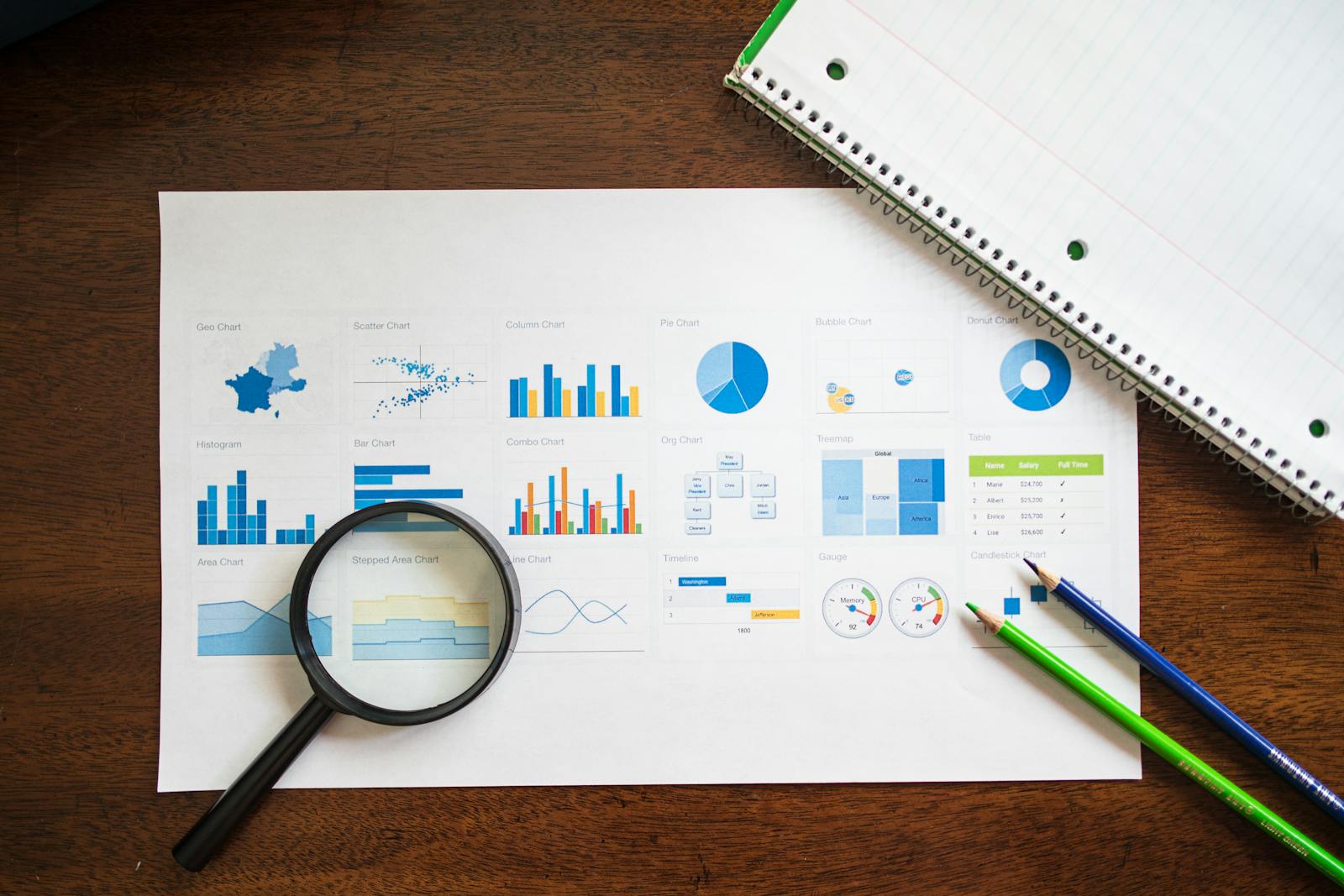
Start with high-value use cases where better insight can change behavior quickly. Good candidates include customer retention, sales conversion, service response, inventory planning, delivery reliability, and executive reporting.
The first project should prove the model, create momentum, and show teams that intelligence is not an abstract analytics exercise. It is a way to make better work visible.
- Choose one measurable business outcome
- Map the data and workflow needed to improve it
- Build a small release that leaders and frontline teams can both use